The world faced one of its costliest years for climate disasters in 2025, with total global losses reaching Sh15.47 trillion, a new report by Christian Aid shows.
Extreme storms, heatwaves, and droughts combined to push communities, economies, and ecosystems to their limits, highlighting the growing toll of climate change.
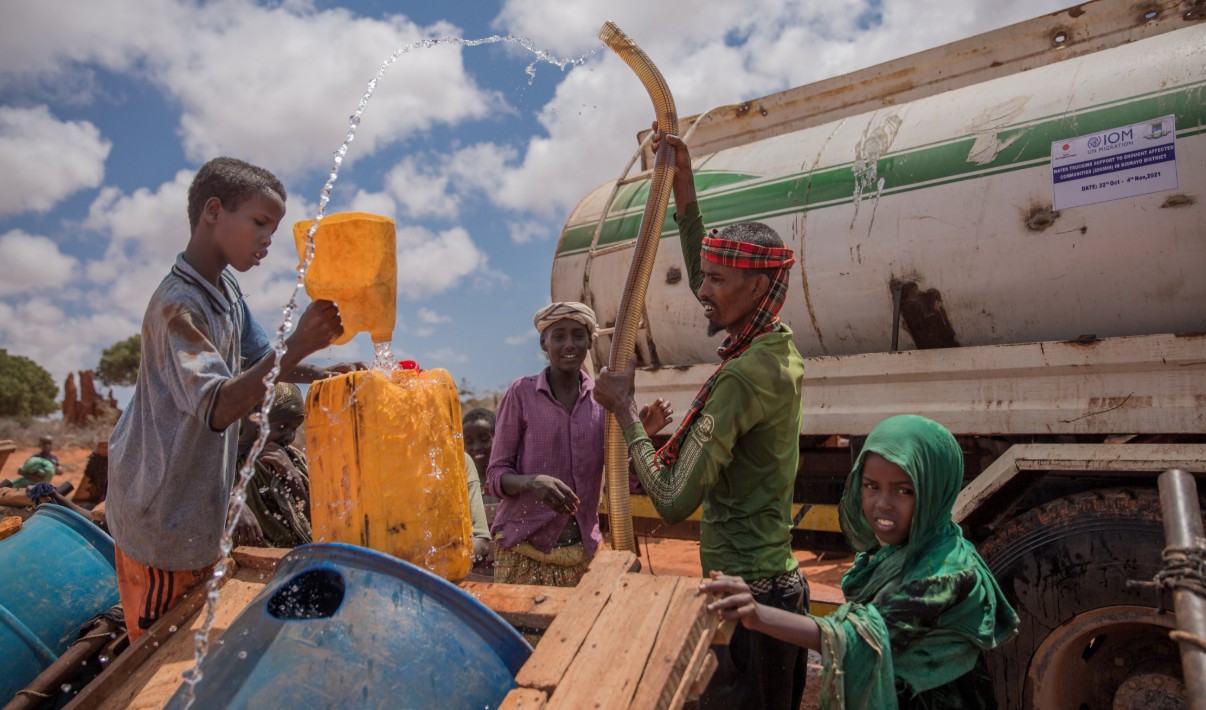
Christian Aid’s report, Counting the Cost 2025: A year of climate breakdown, warns that while financial losses were high in wealthy countries, the most severe human impacts were felt in low-income nations.
Patrick Watt, Christian Aid’s CEO, said the strain on poorer countries is “overwhelming” despite their low contribution to global emissions.
“In 2025, the intensity of extreme weather reached new heights: heatwaves pushing the limits of human adaptation, record-breaking hurricanes and typhoons overwhelming disaster response systems, and a brutal combination of extreme rainfall and severe droughts,” the report states. “This year has been marked by climate breakdown on an alarming scale, resulting in 2025 being one of the costliest years.”
He added that climate change not only increases the chances of extreme events but also makes them more severe.
“Low-income countries, particularly in Africa, with minimal contribution to greenhouse emissions, continue to bear the brunt despite overwhelming scientific evidence attributing catastrophic repercussions on populations and the planet to burning fossil fuels, typical in developed countries,” Watt said.
The report points to fossil fuel companies as major contributors, noting that “the burning of coal, oil and gas cuts global GDP, and although estimates vary depending on methodology, one thing is certain: the damage caused by the fossil fuel industry is severe, increasing and could reach trillions yearly if left unchecked.”
Watt described the climate crisis as “a political choice,” saying the suffering results from decisions to keep using fossil fuels, allow emissions to rise, and break promises on climate funding.
He urged leaders to take action in 2026 to support communities already adapting and to provide the resources necessary to protect people, land, and livelihoods.
Some of the key disasters of 2025 included the Palisades and Eaton Fires in the United States, which killed 31 people and caused losses of over US$60 billion.
Cyclones in South and Southeast Asia claimed more than 1,750 lives and resulted in around US$25 billion in damages, while Hurricane Melissa in the Caribbean killed 45 people and caused preliminary losses of US$8 billion.
Severe monsoon floods in India and Pakistan took at least 1,860 lives, affected millions, and led to combined economic losses of about US$3 billion. A prolonged drought in Brazil added an estimated US$4.75 billion in damages.
Other extreme events included ex-Tropical Cyclone Alfred in Australia, Cyclone Garance in Réunion and Mauritius, and widespread flooding in Texas, Canada, the Democratic Republic of Congo, Nigeria, and parts of South America. Japan experienced record heatwaves and heavy snowfall, while Antarctica saw stratospheric temperatures spike 35ºC above average.
Rising sea temperatures in the Mediterranean and off West Australia worsened storms and harmed ecosystems.
Christian Aid notes that reported financial losses mainly cover insured damages and do not account for longer-term consequences such as lost livelihoods, displacement, or environmental destruction. The report emphasizes that while renewable energy adoption is gaining pace, its speed and fairness remain vital for protecting vulnerable communities.
The organisation urged governments to act urgently, close funding gaps for poorer nations, strengthen the Fund for Responding to Loss and Damage, and ensure early warning systems and social safety nets are in place.
“The suffering caused by the climate crisis is a political choice… In 2026, world leaders must act,” Watt said.






























Comments
Sign in with Google to comment, reply, and like comments.
Continue with Google